
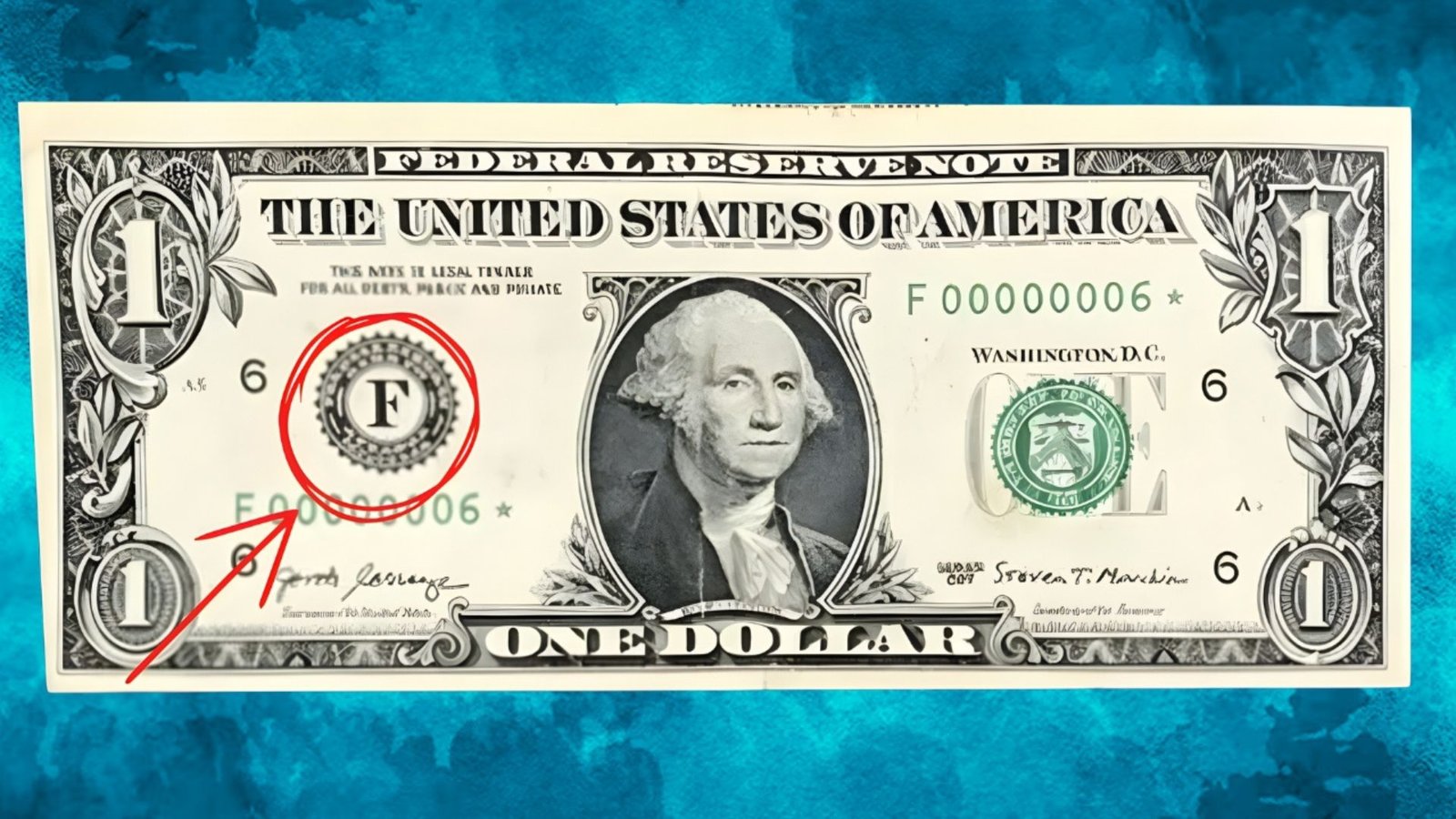
Imagine cleaning out your attic and stumbling upon an old diary that holds not just memories… but a tiny piece of paper worth thousands of dollars. That’s exactly what happened to one lucky family – and their jaw-dropping discovery of a rare star note turned a dusty keepsake into life-changing money. If you’ve ever wondered “what is a star note?” or if those old dollar bills in your drawer could be hidden gems, this true story will blow your mind!
The Shocking Moment We Unearthed Grandpa’s Secret Diary
It all started during a routine weekend cleanup at my grandparents’ old house. Boxes of faded photos, cracked vases, and piles of forgotten books were everywhere. Then, we spotted it: a leather-bound diary from the 1930s, filled with handwritten recipes, daily thoughts, and little doodles from my great-grandfather.

As we flipped through the yellowed pages, something slipped out – a single one-dollar bill. It looked crisp for its age, but one tiny detail stopped us cold: a little star (*) right next to the serial number.
We almost tossed it aside as junk… until my cousin grabbed her phone and searched “star note value.” What popped up left us speechless.
What Is a Star Note? (Simple Explanation Even Kids Can Understand)
A star note is like a “backup singer” in the world of money. When the U.S. government prints dollar bills and one gets messed up (like a smudge or tear), they can’t just reuse the same number. Instead, they print a special replacement bill and add a star to the serial number.
Easy breakdown:
- Normal bill: Serial number ends with a letter (like A12345678B)
- Star note: Ends with a star (like A12345678*)
These are super rare because only a tiny batch is made for each error. Collectors go crazy for them – especially old ones in great shape!
From “Worthless” Dollar to $15,000 Jackpot: Our Exact Discovery
The bill in the diary? A super-rare 1935A $1 Silver Certificate Star Note. These were printed during the Great Depression era, and very few survived in near-perfect condition like ours.
We rushed to a professional appraiser, who confirmed:
- Low serial number run (under 100,000 printed)
- No folds, tears, or stains
- Historical tie to WWII-era money
Estimated value? $3,000 on a slow day… up to $15,000 at auction! Suddenly, Grandpa’s diary wasn’t just sentimental – it was a family lottery ticket.
Why Star Notes Are the Ultimate Hidden Treasure (Better Than Lottery Tickets)
Unlike stocks or crypto, star notes are physical pieces of American history you can hold. They’re legal tender but way more valuable to collectors. Here’s why families are finding them in attics everywhere:
- Printed in limited “blocks” – some runs have only 10,000 notes!
- Older series (1930s-1950s) are goldmines
- Errors + stars = mega-rare “double whammy” bills worth 100x face value
This find sparked a family debate: Sell it for college funds? Or frame it forever?
Star Note Value Quick-Guide: How Much Could Yours Be Worth?
We made this simple table after researching hundreds of sales on eBay and heritage auctions. (Values as of 2025 – always get yours graded!)
| Series Year | Denomination | Condition (Good/Fine/Unc) | Average Value | Record Sale |
|---|---|---|---|---|
| 1935A | $1 | Fine | $500–$2,000 | $8,500 |
| 1935A | $1 | Uncirculated | $3,000–$15,000 | $22,000+ |
| 1957 | $1 | Fine | $50–$200 | $1,200 |
| 2003 | $1 | Uncirculated | $20–$100 | $450 |
| Any | $100 | Any star | $500–$5,000 | $35,000 |
*Pro tip: Low serial numbers (under 00001000) or “radar” numbers (reads same forward/backward) add 2-5x value!
Our Family’s Emotional Rollercoaster (Tears, Hugs, and Happy Chaos)
At first? Total shock. My aunt cried remembering Grandpa always saying “keep the diary safe.” My brother yelled “We’re rich!”
We voted and chose the smart path:
- Got it professionally graded (PMG 65 EPQ – “Exceptional Paper Quality”)
- Stored in acid-free sleeve
- Sold at auction for $12,800 after fees
- Split the money: 50% family vacation, 30% college funds, 20% donated to historical society
Best part? The buyer was a museum that now displays it with Grandpa’s story!
7 Easy Steps to Check If YOU Have a Valuable Star Note Right Now
Don’t wait 50 years like we almost did! Follow this checklist:
- Grab any old bills from wallets, jars, or attics
- Look for the star after the serial number
- Note the year (top corner) and denomination
- Check condition – no tears = big money
- Search online: Use StarNoteLookup.com or MyCurrencyCollection.com
- Compare values on eBay “sold” listings
- Get free appraisal at local coin shop or Heritage Auctions
The Real Treasure? More Than Money
Yes, $12,800 changed lives. But the star note did something bigger – it brought our scattered family together. We laughed over diary entries, shared stories we’d never heard, and felt Grandpa smiling down.
That’s the magic of star notes: They’re not just rare money. They’re time capsules connecting generations.
Final Warning: Your House Might Be Hiding a Star Note RIGHT NOW
Next time you’re at a yard sale, in Grandma’s Bible, or cleaning the basement… LOOK CLOSER. That crumpled $1 bill could be worth thousands.
Have you ever found a star note? Drop your story in the comments – who knows, you might inspire the next family treasure hunt!